4 hr
Dublin to Howth Half-Day Coastal Tour
Escape to Howth's fishing village and cliffs on a half-day coastal trip from Dublin.
Reserve
Sail beneath Howth cliffs, circle Ireland's Eye
Hand-picked by our editors — only the best 5 coastal experiences from 42 reviewed.
Verified partners for every tour, free cancellation where available, and instant confirmation on every booking.
4 hr
Escape to Howth's fishing village and cliffs on a half-day coastal trip from Dublin.
Reserve
50 min
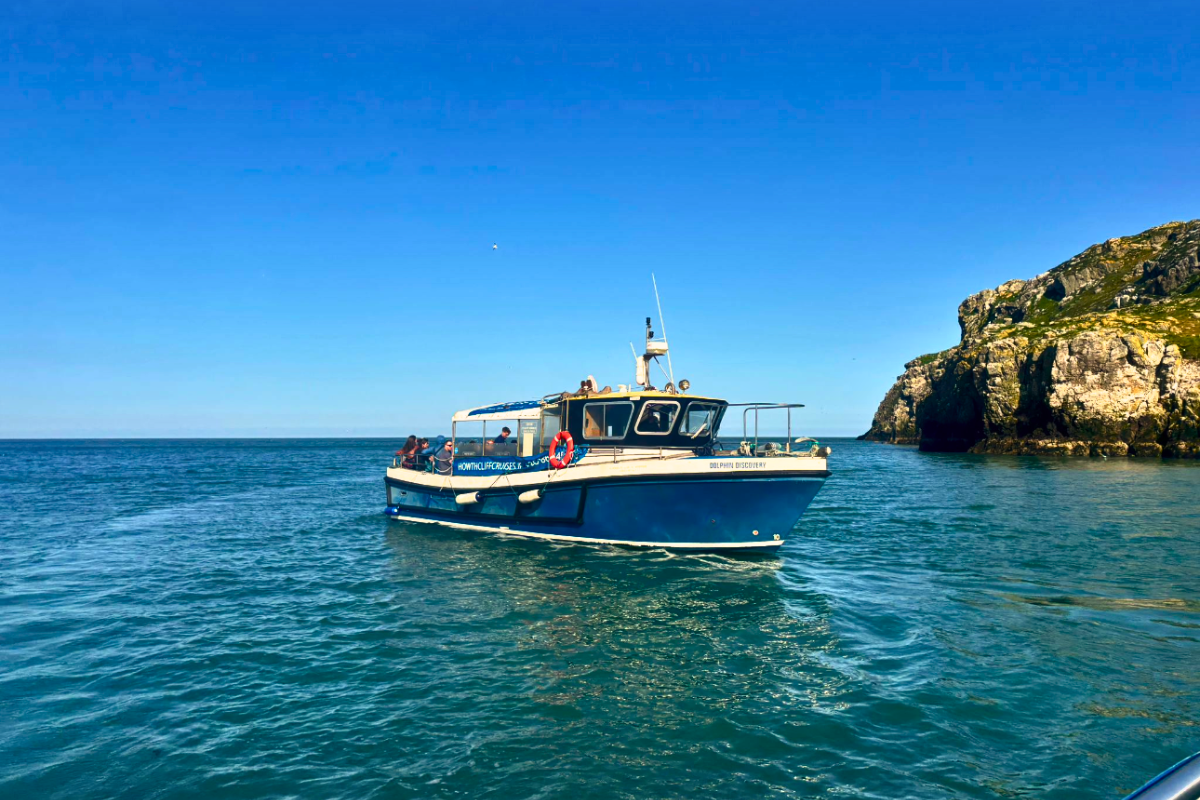
Cruise Howth's cliffs and circle Ireland's Eye to spot puffins, seals, and seabird colonies.
Reserve
1 hr
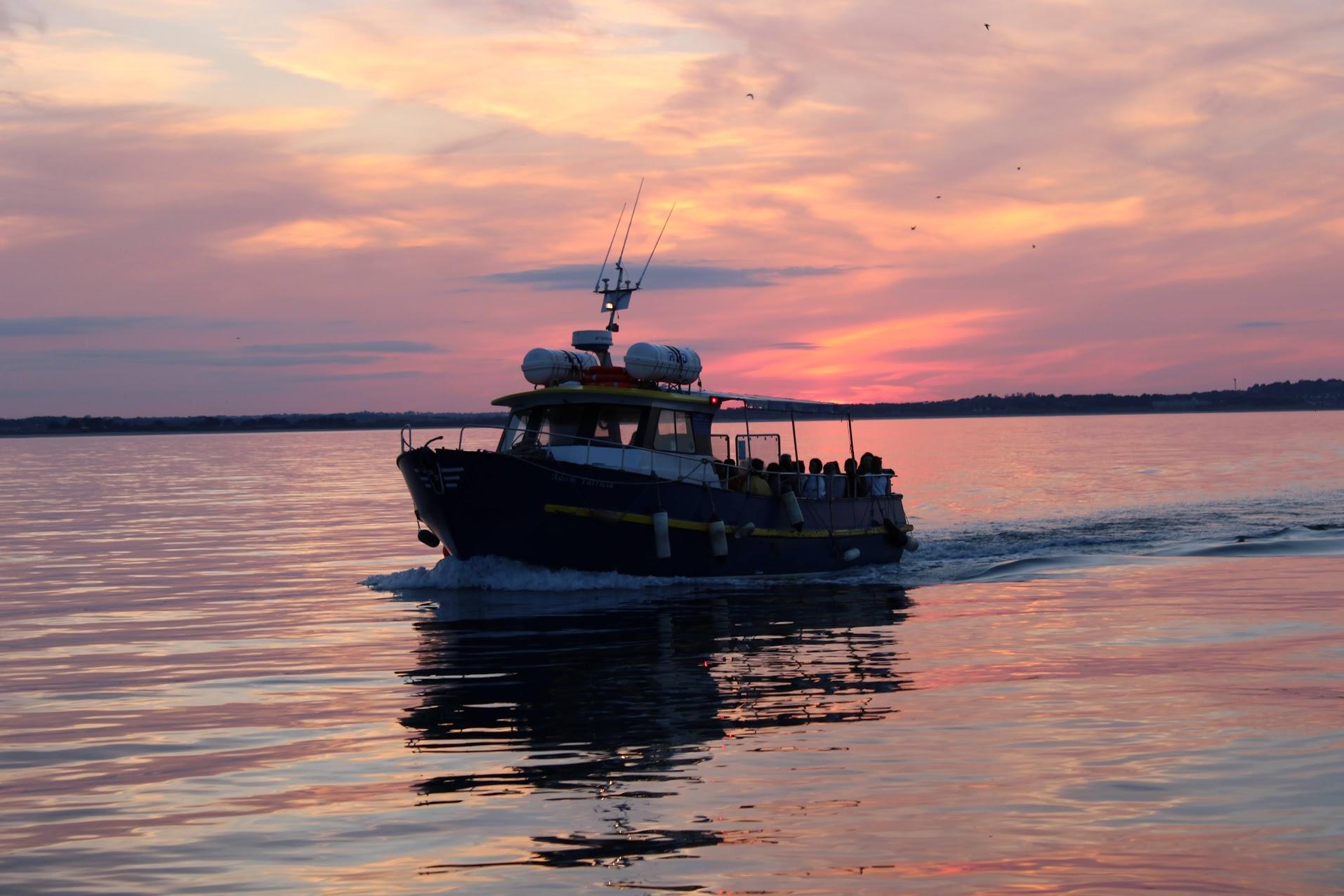
Sail into Dublin Bay as daylight fades, with wildlife spotting and coastal views from the water.
ReservePrices from verified partners. Availability updates in real time at checkout. Free cancellation policies apply where shown.
The landmarks, rooms, and views travelers on this tour remember — all visible on a single visit.
They complement each other, but most visitors who do both call the sea-level maritime experience the more thrilling way to view Dublin landmarks.
| Feature | Top pick Dublin Bay Boat Tours | DART Coastal Train |
|---|---|---|
Vantage Point |
Water-level perspective of coastal geography | Elevated panoramic views from rail tracks |
Flexibility |
Fixed departure schedules with sea-state variability | Frequent departures throughout the operational day |
Proximity to Wildlife |
High potential for seal and seabird sightings | Limited to distant coastal glimpses |
Weather Dependence |
Highly sensitive to wind and sea swells | Operates reliably in most weather conditions |
Cost Efficiency |
28 EUR starting price for adult tickets | Variable fare based on distance traveled |
| See tickets → |
Verdict: If you prioritize deep immersion in the bay, dublin bay boat tours offer the best access, whereas the train remains the superior choice for those seeking spontaneous travel flexibility.
Choose your ticket, select your date, and reserve in under two minutes. Secure checkout handled by our verified partner.
Instant confirmation by email, with a mobile voucher you can save offline. No printing, no queuing at a collection desk.
Arrive at the entrance, show your voucher on your phone, and walk in. Most tickets include priority or skip-the-line access.
Best time to go, insider tips, nearby landmarks, and the cancellation fine print — flip through to skim what matters to you.
How crowds, weather, and events shift across the year.
Mild temperatures make for comfortable Dublin Bay boat tours tours. Clear skies often provide excellent visibility of coastal cliffs.
Peak season for Dublin Bay boat tours tickets. Expect warmer weather and longer daylight hours for coastal exploration.
Fewer crowds on Dublin Bay boat tours compared to summer. Cool, crisp air is ideal for photography.
Limited sailing schedule for Dublin Bay boat tours. Stronger winds may lead to more frequent cancellations.
Small details that turn a good visit into a great one.
Purchase your Dublin Bay boat tours tickets well in advance during summer months. This ensures you secure a spot on popular weekend sailings.
Monitor marine forecasts before arriving for your Dublin Bay boat tours tour. High winds can impact sea conditions and sailing schedules.
Even in summer, sea temperatures ensure cool air on the water. Layering is the best approach for these Dublin Bay boat tours tours.
The 09:30–17:00 arrival window is best for coastal lighting. Arriving early guarantees a stress-free boarding process.
Bring a reusable water bottle for the trip. Sea air can be dehydrating over longer durations.
Non-bookable sights within a short walk — free to visit, easy to pair.
Iconic red lighthouse marking the entrance to the port.
Modern waterfront area surrounded by architecture.
18th-century neoclassical building overlooking the Liffey.
Striking harp-shaped bridge spanning the river.
Flexible, no hidden fees.
Full refunds are available for cancellations made within the operator's specified notice window. Please note the 28 EUR starting price for adult Dublin Bay boat tours tickets may be subject to different terms depending on the specific package.
Hand-picked options within walking distance — pick a district for vibe, or a specific hotel for convenience.
High-end stay near the docks.
Various flats near the harbor.
Area surrounding the departure point.
Affordable lodging options nearby.
Independent stays in the city core.
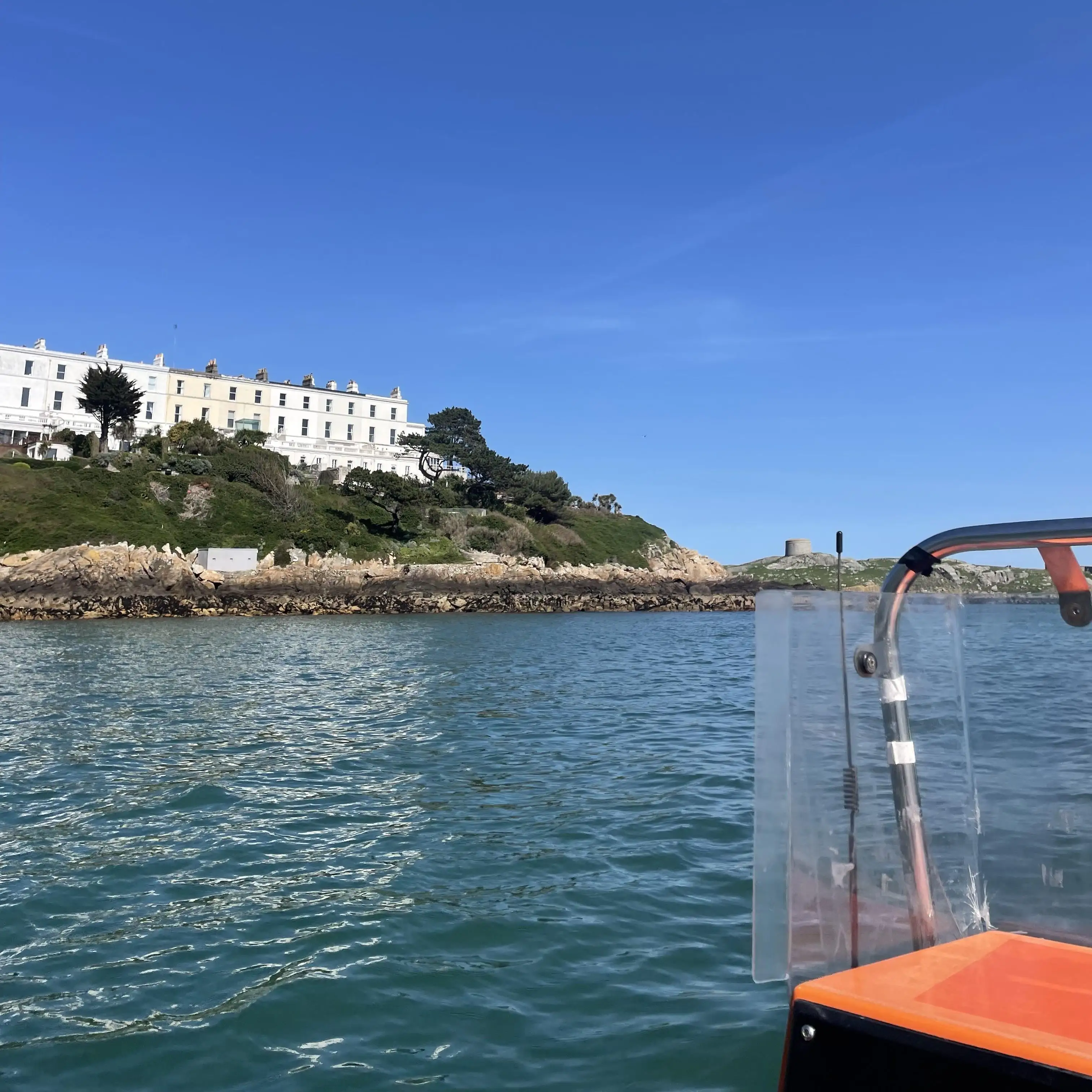
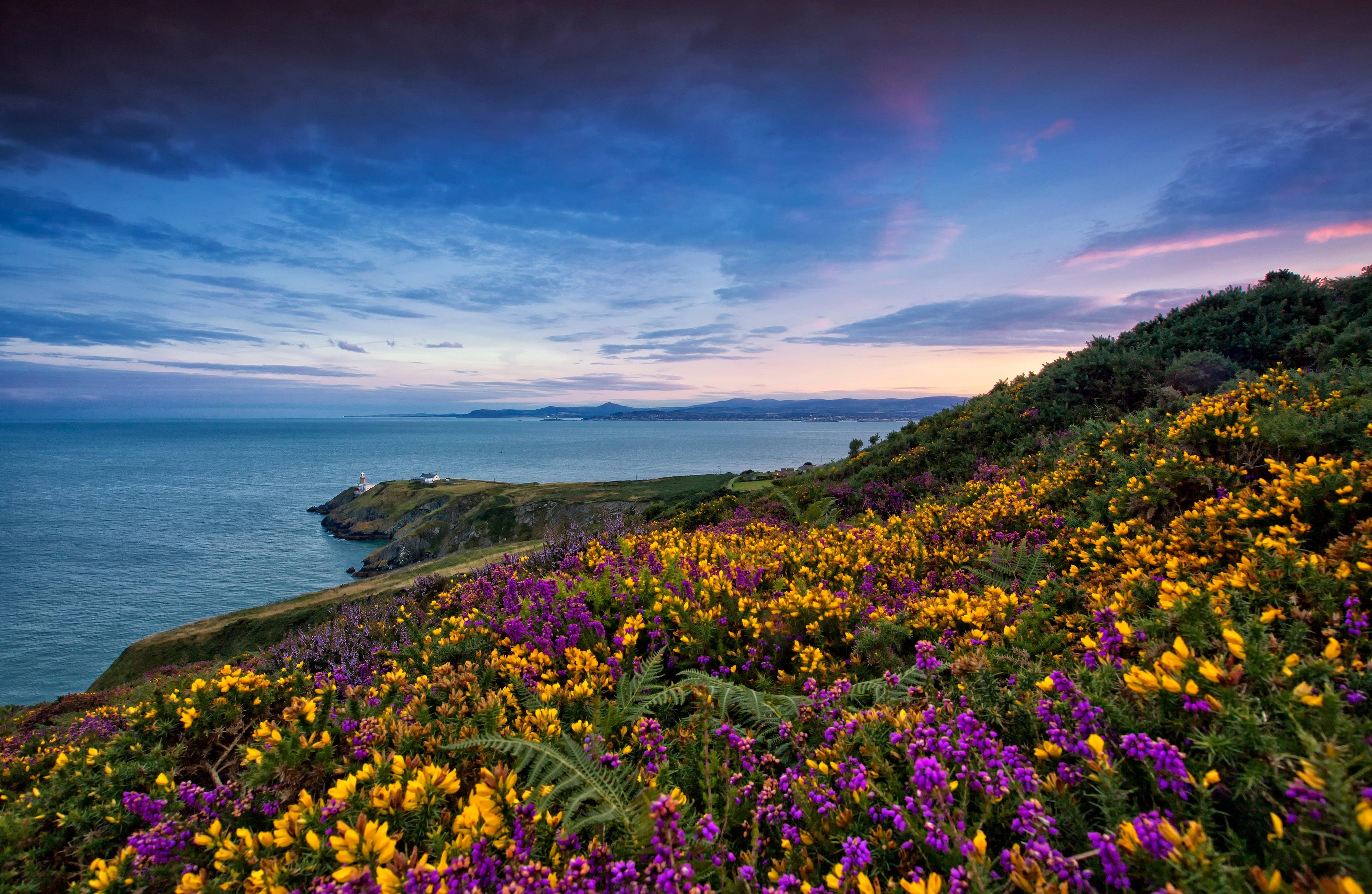
Dublin Bay stretches 10 kilometers from Howth Head south to Dalkey Island, enclosing 200 square kilometers of protected water that has sheltered Viking longships, Georgian packet steamers, and twentieth-century fishing trawlers. The bay's northern anchor, Howth peninsula, rises 171 meters above sea level in sheer quartzite cliffs that Irish and Norse navigators used as a landmark for a millennium. Ireland's Eye, the uninhabited island one kilometer offshore, was named Eria's Island by Norse settlers in the ninth century — the corrupted Gaelic "Inis Ereann" later became the anglicized Eye. Its Martello tower, built in 1804 during Napoleonic invasion fears, stands on the same rock where seventh-century monks maintained a hermitage and carved stone crosses that remain visible today. The bay's ecological importance earned it Special Protection Area status in 1988 under European Union directives. Grey seals from the Lambay Island colony patrol the northern waters year-round, while autumn and winter bring Brent geese from Arctic Canada to feed on zostera beds along the shoreline. Howth's eastern cliffs host Ireland's largest mainland gannet colony, established in 2008 when breeding pairs migrated from overcrowded Lambay. The limestone sea stacks at the peninsula's nose, carved by 12,000 years of Atlantic swells, now support kittiwakes, razorbills, and guillemots from March through August. Local naturalists documented 89 seabird species in bay waters between 2020 and 2025, making the protected zone one of Dublin's richest ornithological sites. Dublin Bay's maritime heritage runs deeper than tourism. Howth Harbor, completed in 1807 after a four-year construction effort, was designed to replace the silted Ringsend port and serve as Dublin's primary passenger gateway. The harbor's 1,200-meter east pier and 850-meter west pier enclosed 16 hectares of water, but prevailing easterlies caused persistent siltation that forced the mail packet service to relocate to Dún Laoghaire in 1833. The working fishing fleet that replaced passenger ships still operates from the harbor's inner basin, landing mackerel, Dublin Bay prawns, and crab. The harbor's East Pier lighthouse, automated in 1982, continues to guide vessels with a white flash every five seconds visible 18 kilometers out to sea. Coastal navigation around Ireland's Eye requires attention to the Rowan Rocks submerged reef on the island's northeast side, marked by a north cardinal buoy since 1997.

"Grey seals from the Lambay Island colony patrol the northern waters year-round, while autumn brings Brent geese from Arctic Canada."
Dress in layers and wear flat, comfortable shoes. Windproof clothing is highly recommended for all Dublin Bay boat tours.
If a sailing is cancelled due to weather, you are entitled to a refund or rescheduling per the operator's policy. Reference your original booking for details on Dublin Bay boat tours.
Yes, you can easily visit nearby sites like Poolbeg Lighthouse or the Custom House after your trip. These are iconic Dublin city landmarks located within walking distance of the dock.